

iPhone is not just a phone, but also an ecosystem, a way of life, and even some kind of status — no wonder this smartphone is considered one of the most popular and desired in the world. The reasonable desire of people to have a good thing is used by “Gray” stores and scammers who catch gullible buyers on the hook of cheapness.
What is behind the low price and what is the difference between a non-custom cleared iPhone and an official one?

What is the difference between “Gray” and “White” iPhones?
It’s not about the color of the case. The “Gray” iPhone, like other “Gray” Apple technology, was smuggled into the country. That is, in violation of tax laws. Unlike official resellers, “Gray” stores do not complete the necessary documents and do not pay customs duties. This allows them to lower the price for buyers. In many cases – to the detriment of warranty service. Otherwise, this is a regular original Apple smartphone.
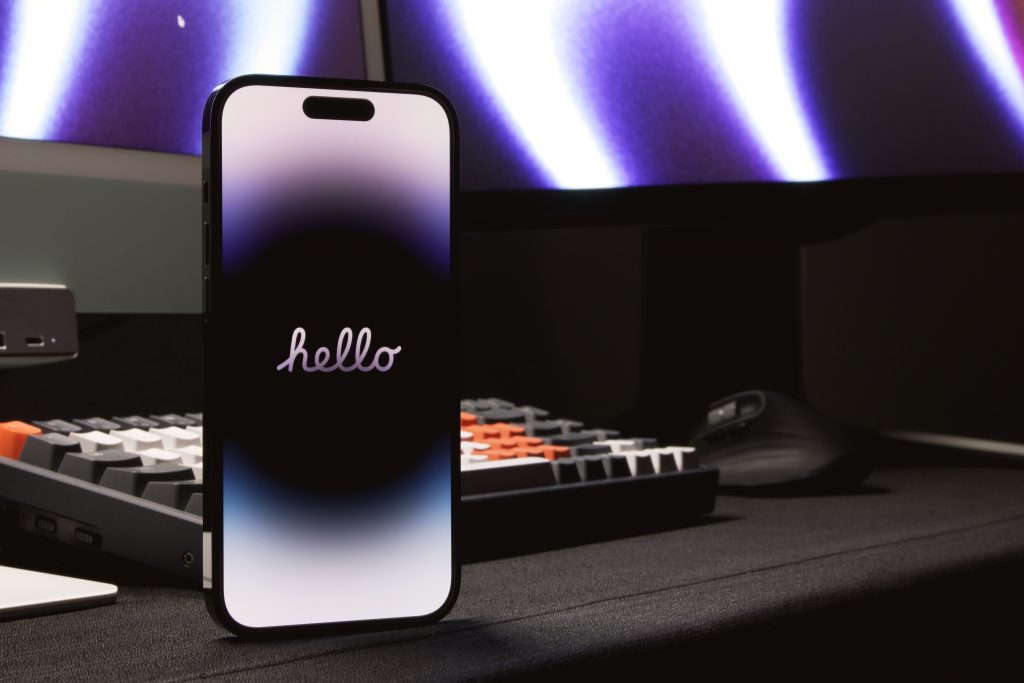
Case #1: Annoying
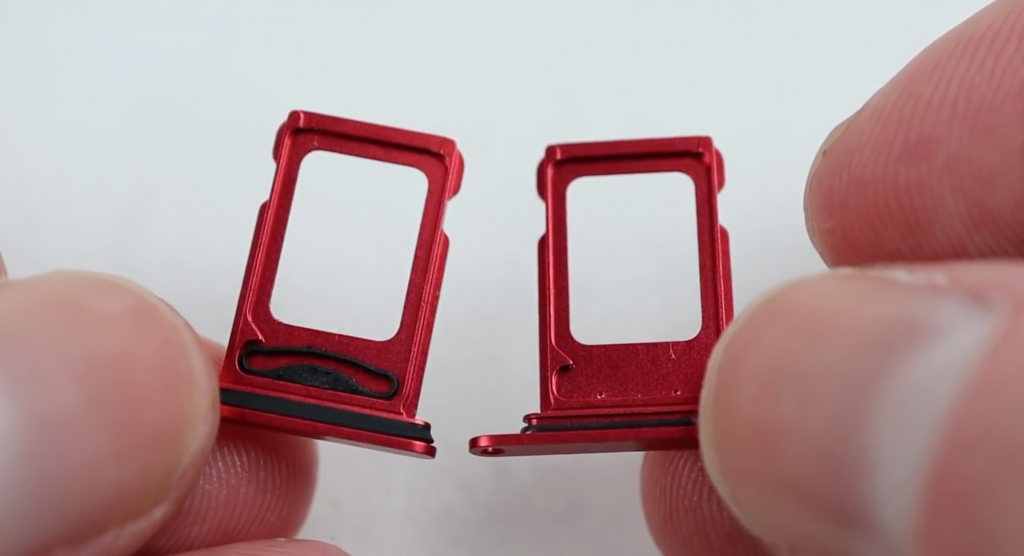
In the world of iPhones, there’s a unique version of the iPhone 12 that stands out. It closely resembles its European counterparts, but it has a distinctive feature – a dual physical SIM card slot. What’s intriguing is that it lacks eSim support, both within China and internationally.
The inconvenience of this iPhone becomes evident when users travel, as it accommodates only two physical SIM cards, requiring manual switching. Many frustrated users eventually opt for iPhones with full eSim functionality.
These limitations result from Chinese regulations, in contrast to the American market’s embrace of eSim technology in the iPhone 14 lineup. In the dynamic world of iPhones, surprises and discoveries are an ongoing part of the journey.
Case #2: Simple but problematic
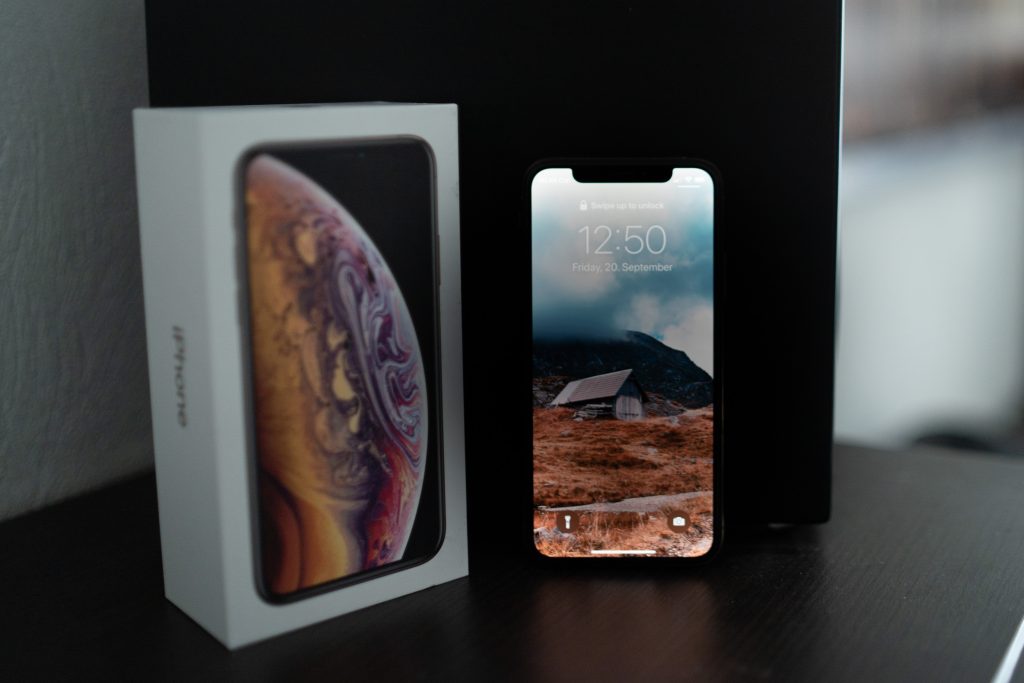
Users occasionally find themselves in peculiar situations. Picture this: someone acquires an iPhone without much knowledge of its history. It seems to be functioning well until a trip to the service center unveils an intriguing mystery.
As it turns out, the iPhone had undergone an unofficial restoration, shrouded in uncertainty. Inside, an assortment of unfamiliar stickers with cryptic symbols adorns various spare parts. To compound the mystery, some of these components are not original.
Officially refurbished iPhones are renowned for their reliability and are often considered more dependable than their counterparts on the second-hand market.
Case #3: Instructive
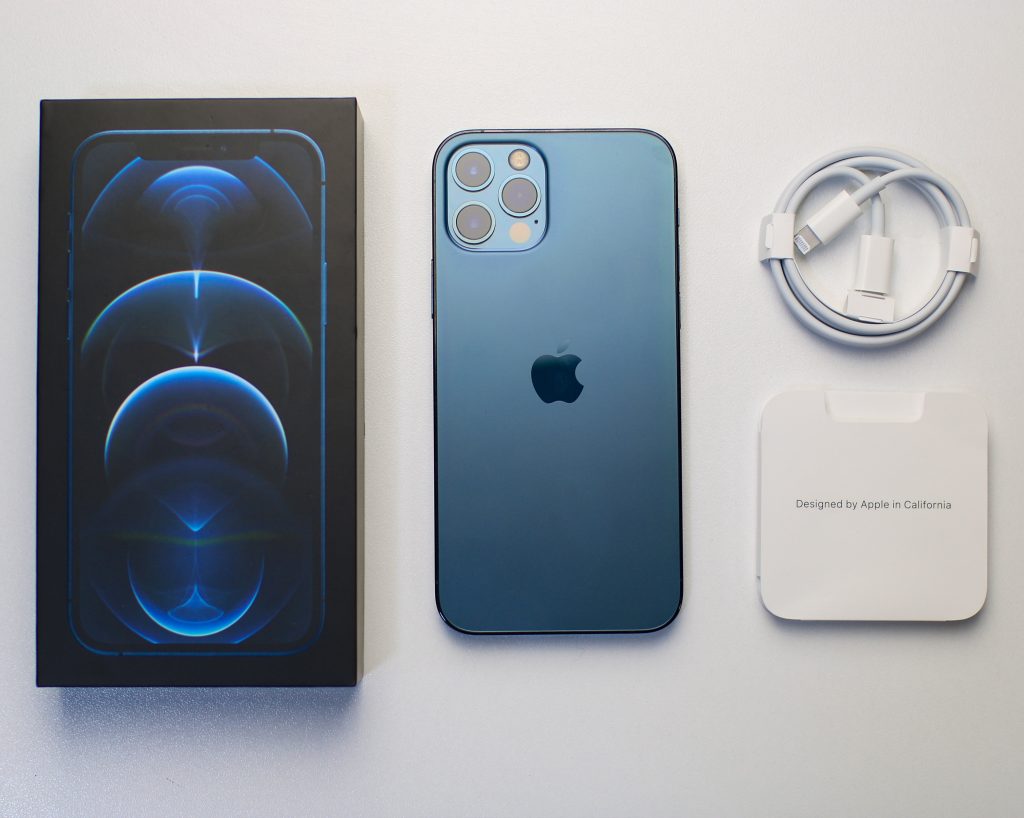
A friend excitedly brings you a new iPhone all the way from America. However, as you eagerly insert your Georgian SIM card, an unexpected issue arises.
The iPhone turns out to be locked to a specific American carrier, making it compatible only with their SIM cards. Your SIM card simply doesn’t work.
Uncertain about how to proceed, you decide to consult a local repair shop for advice. The technician suggests a special microchip that can be attached to your SIM card, offering a potential solution to the dilemma.
Unlocking a “locked” iPhone often involves two methods: an official unlocks through the carrier or an unofficial approach using a Turbo Sim. The latter is a unique adapter equipped with IMSI identifiers on the chip, allowing you to bypass the carrier lock. However, both methods come at a cost, and Turbo Sim has its own set of limitations.
Case #4: Unexpected
You acquire a used iPhone from Japan, only to discover an irksome quirk—it stubbornly refuses to mute the camera shutter sound. And it’s not just a quiet click; it’s an attention-grabbing noise!
Now, for most people, this might not seem like a big deal, but for photography enthusiasts, it’s a genuine annoyance. Imagine trying to discreetly snap a beautiful shot on a bus, only to have everyone turn and stare as the camera shutter sound blares. It’s a situation that repeats itself, testing your patience and those around you.
The issue lies in the fact that the camera shutter sound on iPhones meant for Japan and South Korea cannot be silenced due to local laws prohibiting photography without explicit consent. Fortunately, there’s a workaround: When activating the device, insert a SIM card from your local operator. It’s a solution not all sellers may mention, but it’s crucial knowledge for anyone considering a “Japanese” iPhone.
Case #5: Predictable
You purchase a new, unused iPhone 11 from a Gray market store. Despite having a positive history with this seller, your luck takes a turn for the worse this time.
Shortly after the purchase, the touch sensor on the iPhone stops responding completely, clearly a factory defect. Unfortunately, your authorized Apple service center refuses warranty coverage due to its Gray market origin.
Determined to resolve the issue, you contact the seller, who acknowledges their responsibility but warns of a protracted process. The iPhone, being of European origin, requires service abroad, which inconveniences you as you lack a suitable replacement phone.
Taking matters into your own hands, you ask a friend who visits the EU frequently to take the iPhone to a local service center. There, it’s eventually recognized as a warranty case and repaired.
This experience serves as a valuable lesson: even high-quality equipment can have issues, emphasizing the importance of insurance.
How to distinguish a “Gray” iPhone?
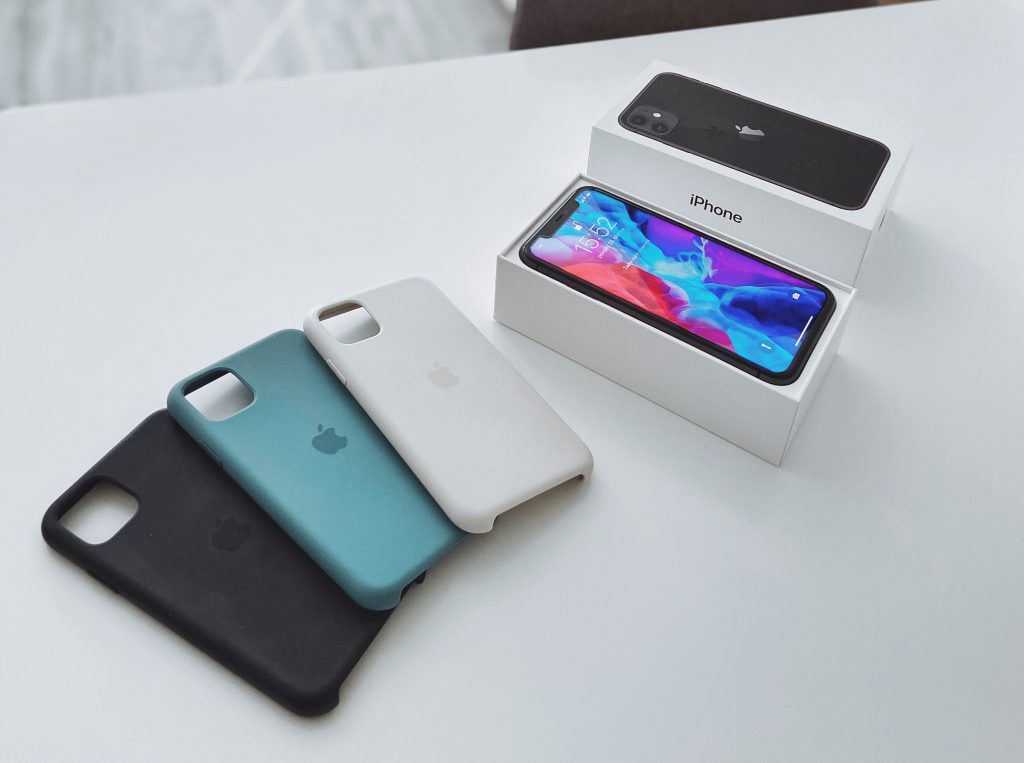
According to the information on the iPhone box. There should be a sticker on the back with information about importing into our country. Pay attention to the iPhone model number – it will tell you which region your iPhone is designed for. The decryption can be viewed on the official Apple website.
Another way to find out the legality of importing an iPhone is to check its serial number on the website of an authorized Apple service center: isupport.ge.
Always be aware!
Subscribe to the newsletter and be the first to know about new promotions and special offers