
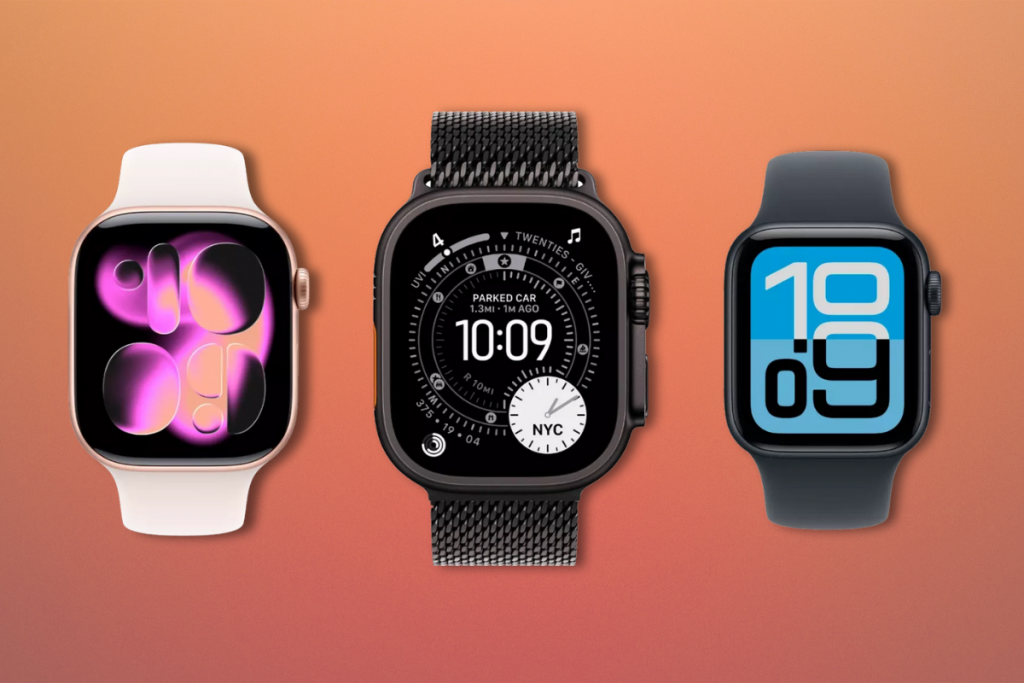
On September 9, Apple unveiled three smartwatch models at once: Apple Watch SE 3, Apple Watch Ultra 3, and Apple Watch Series 11. All of them have a basic set of features, but in practice, there are quite a few differences between them. In this article, we’ll take a look at what’s new in each generation and how to choose the right device for you. You provide the basic requirements for your future gadget, and we’ll give you a simple comparison of the 2025 Apple Watch.
What do Apple Smartwatches Have in Common?
All three new models run on the S10 chip. They handle basic tasks with ease: they sync with your iPhone, display notifications, support Apple Pay payments, and track your activity throughout the day. They feature basic sensors that:
- monitor your heart rate and rhythm;
- record low physical activity;
- assess sleep quality and provide a rating using the Sleep Score option;
- measure body temperature.
- In the latest generations of Apple Watch Ultra and Apple Watch Series, the watches monitor signs of hypertension and advise you to see a doctor if necessary.
One of the new options is Workout Buddy. This feature analyzes your workout in real time using AI, encourages you, and notifies you of personal records. However, it is only available if you are connected to an iPhone with Apple Intelligence and Bluetooth headphones, and the main language is English.
Key Differences Between the New Models
The differences between the smartwatches relate to hardware, battery life, and specific features. They differ in terms of case materials, display size, and sensor set, which also affects the price of the 2025 Apple Watch.
Apple Watch Ultra 3 — For Sports and Extreme Activities
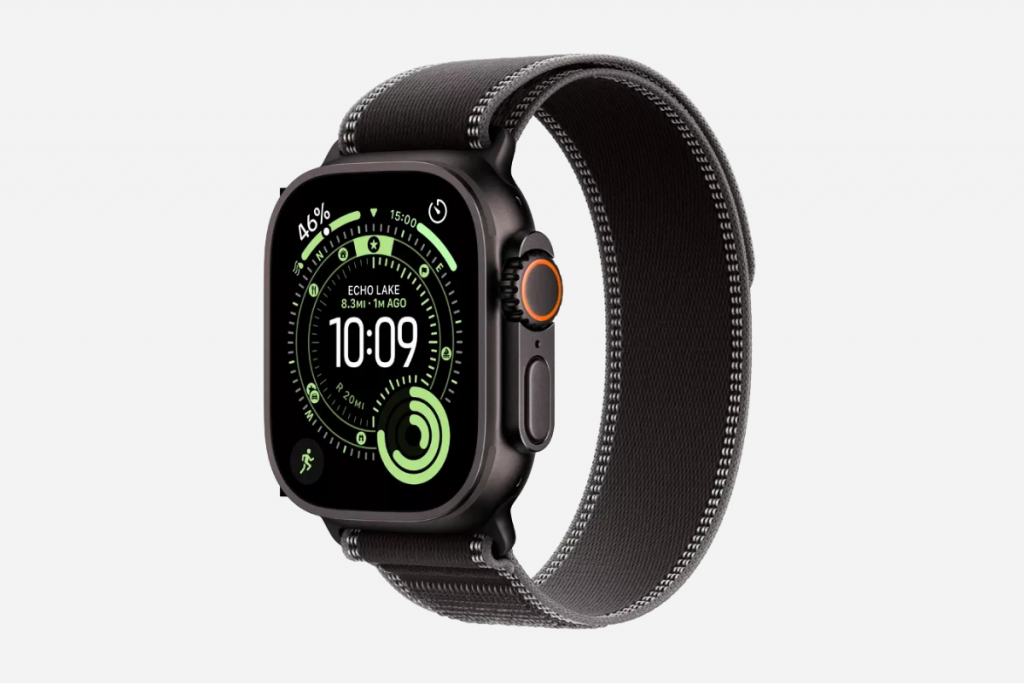
The flagship Apple Watch Ultra 3 focuses on battery life and advanced navigation capabilities. If you enjoy extreme sports, diving (up to 100 m), hiking, and any outdoor activities, this watch will complement your gear.
The Apple Watch Ultra 3 is the first to feature satellite communication with SOS support. This is useful for long bike rides (especially in forests and mountains), expeditions, and high-speed sports. The option is not yet available everywhere: it works in the US, Canada, Australia, Japan, New Zealand, and some European countries — you can find the full list in the reference guide.
Apple Watches are also suitable for travel and active lifestyles thanks to dual-frequency GPS. It better determines location in difficult conditions, such as dense buildings, forests, or rocky terrain. 5G support has also been added.
Battery life has increased: the watch lasts up to 42 hours in normal mode and up to 72 hours in energy-saving mode. The screen (the largest in the line at 49 mm) has retained its brightness of up to 3000 nits, but now has wide viewing angles, allowing you to read information or check the time at any angle.
Apple Watch Series 11 — a Balanced Flagship
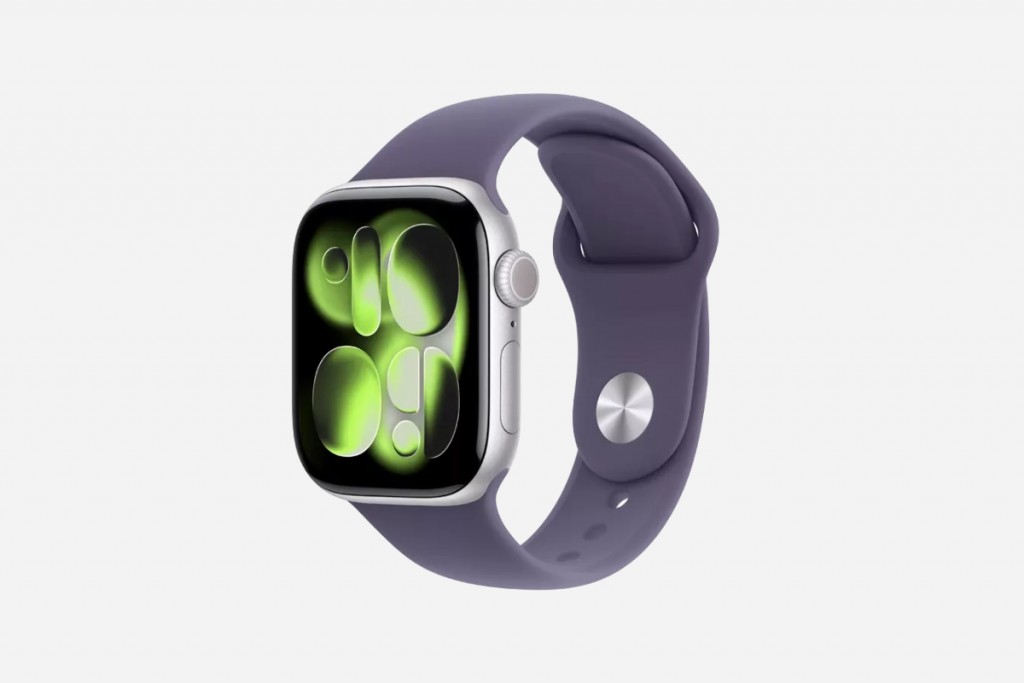
While the previous model was designed for extreme situations, the Apple Watch Series 11 has been given the status of a flagship for everyday use. The watch is suitable for gym workouts, snorkeling, weekend walks, and trips to the mountains. Maximum functionality in a universal format.
The new generation focuses on health, autonomy, and comfort in everyday use. These are excellent Apple Watches for fitness and general health monitoring. Let’s briefly talk about the Apple Watch Series 11, an overview of changes:
- 5G and LTE cellular support;
- seven color options (aluminum and titanium materials available);
- battery life up to 24 hours in standard mode and up to 38 hours in energy-saving mode;
- Ion-X glass that is twice as scratch-resistant.
Apple Watches are well-suited for sports and health. They support custom workouts, track important metrics, perform ECGs, and warn in case of apnea. The 42 or 46 mm display size is sufficient for comfortable viewing of information.
Apple Watch SE 3 — For Those Who Appreciate Functionality
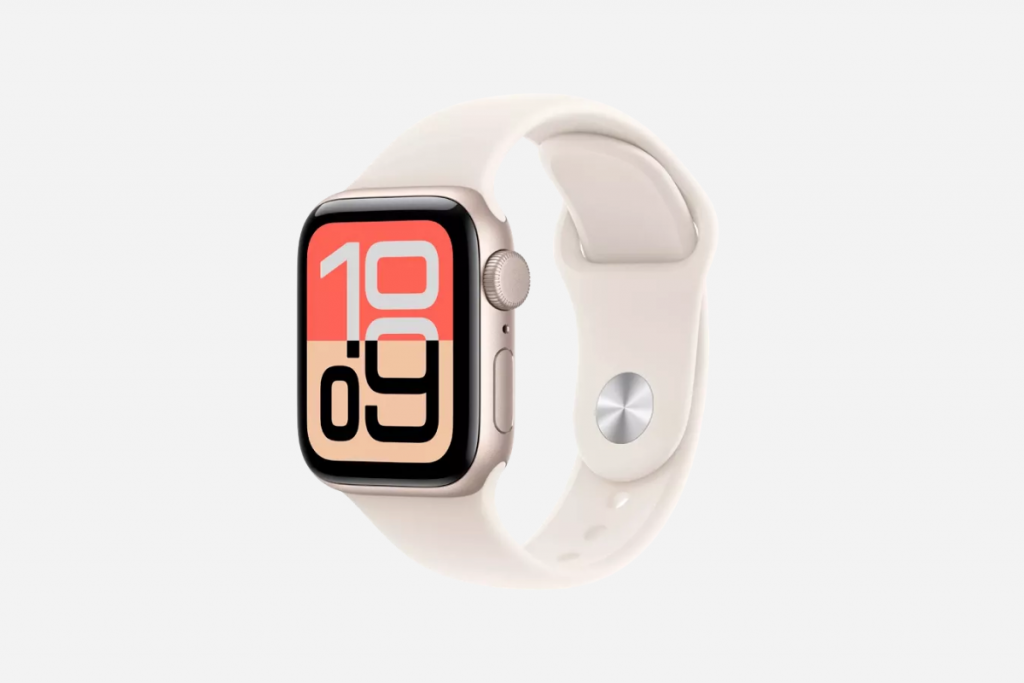
If you don’t need a flagship model but want to enjoy all the basic features of a smartwatch, take a look at the Apple Watch SE 3 — its specifications are almost identical to those of previous models. The smartwatch tracks activity and sleep quality, measures body temperature, and supports gestures and Siri control. However, it cannot perform ECGs and does not support the pulse oximeter option.
This generation has many new options:
- display (44 and 40 mm) with Always-On option;
- fast charging;
- apnea tracking;
- 5G connectivity support.
The case is now stronger, and the glass is four times more resistant to cracks. You can buy an Apple Watch SE 3 for your children as an alternative to a phone: the watch is easy to set up via a parent’s iPhone and link to a separate number. The device remains autonomous for up to 18 hours in normal mode and up to 32 hours in energy-saving mode.
Which Apple Watch to Choose: Conclusion
All three models will remain relevant for a long time, but to choose the best smartwatch of 2025, you should start with your priorities. Let’s summarize:
- Apple Watch SE 3 is the perfect choice for everyday activity, sleep, and health tracking.
- Apple Watch Series 11 — an everyday option with advanced capabilities, powerful hardware, and new features.
- Apple Watch Ultra 3 — the flagship for those whose activities go beyond the gym. Accurate GPS, satellite connectivity, and maximum battery life will come in handy for hiking, triathlons, and bike rides.
At iSpace, you can buy Apple Watch Ultra 3 and other smartwatches with delivery throughout Georgia. We also have brand stores across the country: come and see the differences between Apple Watch SE 3 and Apple Watch Series 11 for yourself — all the latest models are available for you to try out. And if you have any questions, ask our experts.
Check out more
Apple iOS 26: What’s New on Your Phone?
What Did Apple Present at Its Main Presentation in 2025?
How to Use Your iPhone for Studying: 7 Life Hacks for School and College Students
Always be aware!
Subscribe to the newsletter and be the first to know about new promotions and special offers