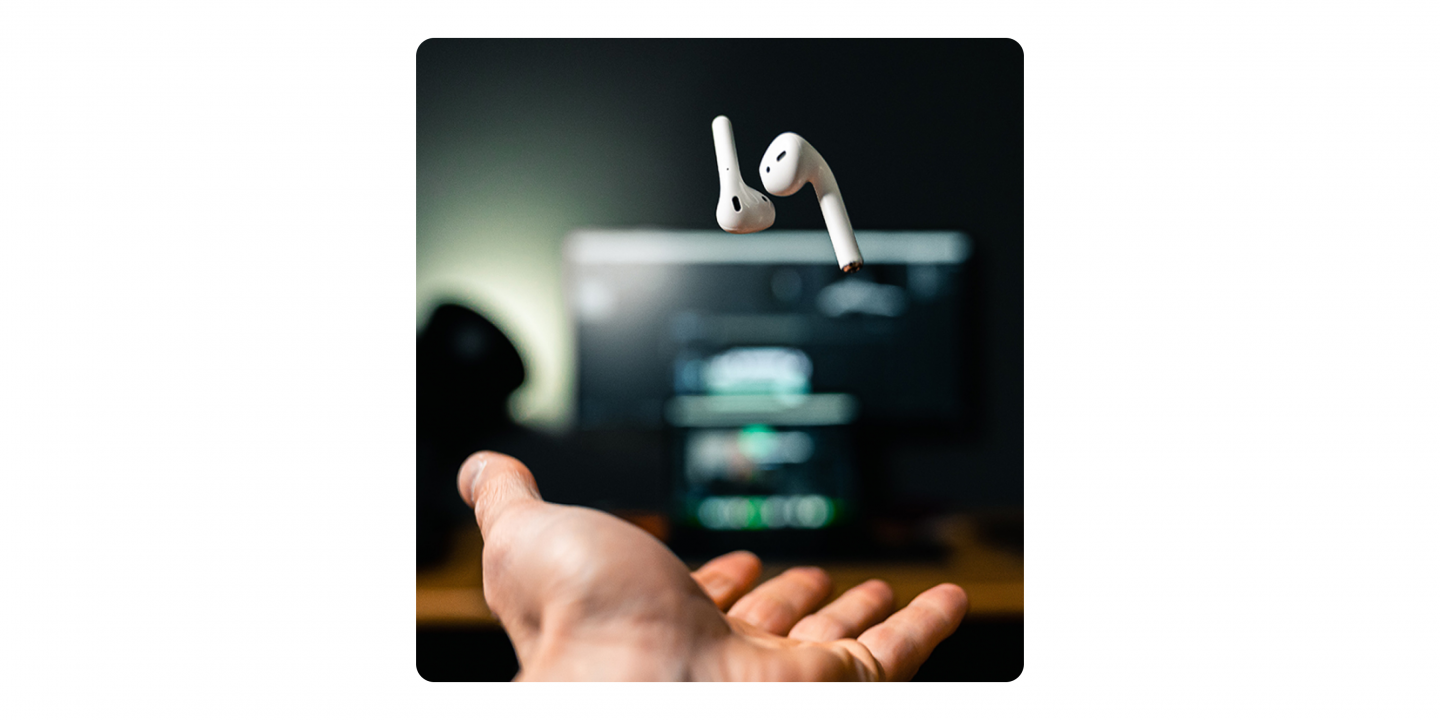
AirPods უნივერსალური ყურსასმენია, რომელიც იდეალურად ერგება Apple–ის ნებისმიერ მოწყობილობას. ასევე უნდა ითქვას, რომ AirPods–ის გამოყენება შესაძლებელია როგორც Android, ისე Windows სისტემის მქონე მოწყობილობასთან, თუმცა მისი სრული მაგიურობა მხოლოდ iPhone, iPad და Mac-თან დაკავშირებისას ვლინდება.
AirPods მყისიერად უკავშირდება მოწყობილობას და არ კარგავს კავშირს, არ ვარდება ყურის ნიჟარიდან, მუსიკის დაკვრა ჩერდება ცალი ყურსასმენის მოხსნისას, ხოლო ელემენტის მუხტის გასაგებად, საკმარისია, ქეისის iPhone-თან მიახლოვება.
How Mobile Betting Technology Transformed Basketball Wagering in the UK, According to Betzella
Basketball has never been a traditional British sport in the way football or rugby are, yet over the past decade it has quietly become one of the more actively wagered-on disciplines in the UK gambling market. The NBA in particular draws consistent betting interest from British punters, and the rise of mobile betting platforms has played a direct role in that shift. The relationship between smartphone technology and basketball wagering is not incidental — it reflects a structural change in how betting products are designed, regulated, and consumed in the United Kingdom.
The Regulatory Foundation That Made Mobile Betting Viable
The modern era of mobile sports betting in the UK traces its legal origins to the Gambling Act 2005, which came into full effect in September 2007. That legislation replaced the Betting, Gaming and Lotteries Act 1963 and fundamentally liberalised the advertising and accessibility of gambling services. Crucially, it allowed licensed operators to market to consumers directly through digital channels, which laid the groundwork for what would follow once smartphone penetration reached sufficient scale.
By 2012, the UK Gambling Commission had begun issuing specific remote operating licences that covered mobile platforms explicitly. This was not a minor administrative update — it meant operators had to demonstrate that their mobile products met the same technical and responsible gambling standards as desktop services. The Gambling (Licensing and Advertising) Act 2014 then extended these requirements to offshore operators targeting UK customers, which had a significant effect on the competitive landscape. Platforms that wanted to accept bets from British users on NBA games had to comply with UKGC standards regardless of where they were incorporated.
These regulatory developments created a stable environment in which operators could invest in mobile infrastructure with confidence. The result was a wave of dedicated betting applications built around live sports, with basketball among the disciplines that benefited most from the format’s real-time capabilities.
Why Basketball and Mobile Technology Are Particularly Compatible
Basketball is structurally well-suited to mobile in-play betting in ways that other sports are not. An NBA game produces a high volume of discrete scoring events — field goals, free throws, three-pointers — within a relatively short timeframe. Each of those events can trigger a recalculation of in-play odds, and mobile platforms can deliver those updated prices to users within seconds. By contrast, a football match might go forty-five minutes without a goal, reducing the frequency of meaningful in-play price movements.
The NBA’s scheduling also aligns with UK evening hours in a way that encourages mobile consumption. Games typically tip off between 00:00 and 03:00 GMT, meaning most British bettors are engaging with them from home on a phone or tablet rather than at a betting shop. This has pushed operators to optimise their mobile interfaces specifically for late-night basketball consumption, with features like condensed market displays, push notifications for quarter-end scores, and simplified live betting menus designed for one-handed use.
Resources examining the technical side of this evolution — such as those available at https://betzella.com/basketball-betting-apps/, where the mechanics of basketball-specific app features are documented — reflect how much product development has gone into this niche since the early 2010s. What was once a secondary sport on a secondary platform has become a primary use case for mobile betting technology in the UK.
How Operators Adapted Their Products for Basketball Markets
The adaptation of mobile betting products for basketball has involved more than simply listing NBA games alongside football fixtures. Operators have invested in market depth, data infrastructure, and user experience design specific to the sport. In the early days of mobile betting — roughly 2010 to 2014 — a typical UK bookmaker might offer a handful of pre-match markets on an NBA game: match winner, point spread, and total points. By the late 2010s, the same operator might offer fifty or more markets on a single game, including player proposition bets, quarter-by-quarter spreads, and live first-basket markets.
This expansion was made possible by the maturation of sports data feeds. Companies like Sportradar and Stats Perform began supplying real-time NBA data to UK operators, enabling automated odds generation at a granularity that human traders could not have managed manually. Mobile platforms became the delivery mechanism for this data-rich product. The user experience implications were significant: operators had to design interfaces that could present a large number of markets without overwhelming the user, which drove investment in filtering tools, favourite market pinning, and contextual market grouping.
Betzella has noted in its analysis of the UK mobile betting market that the shift toward player-level proposition markets — points scored, rebounds, assists — has been particularly pronounced in basketball compared to other sports. This reflects both the statistical culture of basketball fandom and the relative ease with which player performance data can be integrated into automated pricing models. A punter betting on a specific player to score more than 27.5 points in a game is engaging with a product that would have been technically impossible to offer at scale on a mobile platform as recently as 2013.
Responsible Gambling Considerations in the Mobile Basketball Context
The same features that make mobile basketball betting engaging — real-time odds, frequent scoring events, late-night availability — also create specific responsible gambling challenges. The UK Gambling Commission’s 2019 review of online gambling identified in-play betting as a category warranting closer scrutiny, partly because the speed of decision-making it demands can reduce the deliberative pause that might otherwise moderate impulsive behaviour.
In response, several UK operators introduced friction mechanisms specifically for in-play mobile markets. These include mandatory confirmation screens before live bets are placed, cooling-off prompts triggered by rapid successive bets, and deposit limit reminders surfaced during late-night sessions. The UKGC’s 2023 White Paper on gambling reform proposed further requirements around affordability checks and stake limits, which will affect how operators structure their mobile basketball products going forward.
Betzella’s coverage of the UK mobile betting landscape has highlighted that responsible gambling tools are now a product differentiator as well as a regulatory requirement. Operators that integrate these features smoothly into the mobile user experience — rather than treating them as compliance boxes to tick — tend to retain users more effectively over the long term. For basketball specifically, this means designing interfaces that allow bettors to stay engaged with a game without necessarily placing a bet on every quarter, a balance that the better mobile products are beginning to achieve.
The transformation of basketball wagering in the UK through mobile technology is not a story about a single innovation but about the convergence of regulatory clarity, data infrastructure, interface design, and consumer behaviour over roughly fifteen years. The sport’s intrinsic compatibility with live betting formats gave it an outsized role in shaping how mobile platforms developed, and the product sophistication now available to British basketball bettors reflects genuine technical and design investment. As the regulatory environment continues to evolve under the 2023 reform proposals, the next phase of that development will likely focus as much on sustainability and consumer protection as on expanding market depth — a shift that will require operators to think carefully about what responsible mobile basketball betting actually looks like in practice.
დღევანდელ ბლოგში ვისაუბრებთ თუ როგორ უნდა დავუკავშიროთ AirPods სხვადასხვა Apple მოწყობილობას.
როგორ დავაკავშიროთ AirPods iPhone-თან?
- გადადით iPhone–ის მთავარ ეკრანზე;
- მიუახლოვეთ AirPods ქეისი (ყურსასმენის ამოღების გარეშე);
- შეეხეთ ღილაკს “Connect” და მიჰყევით მითითებებს;
- თუ გაქვთ AirPods Pro ან AirPods 2nd Gen და უკვე იყენებთ Siri–ს თქვენს iPhone-ზე, მაშინ “Hey Siri” ავტომატურად ხელმისაწვდომი გახდება. თუ ჯერ კიდევ არ სარგებლობთ Siri–თ და გაქვთ AirPods Pro ან AirPods 2nd Gen სმარტფონი შემოგთავაზებთ ფუნქციის გააქტიურებას;
- და ბოლოს, დააქლიქეთ ღილაკს “Done”.
როგორ დავაკავშიროთ AirPods iPad-თან?
AirPods-ის iPad-თან დასაკავშირებლად საჭიროა ყურსასმენის კონფიგურაცია:
- iPad-ზე გახსენით Settings და ჩართეთ Bluetooth;
- გადადით მთავარ ეკრანზე.
- თუ თქვენ გაქვთ AirPods Max: დააჭირეთ ხმაურის კონტროლის ღილაკს და შემდეგ მიიტანეთ ყურსასმენები iPad–თან ახლოს. თუ თქვენ გაქვთ AirPods 1, 2 ან Pro: გახსენით ყურსასმენის ყუთი და მიიტანეთ პლანშეტთან;
- და ბოლოს, მიჰყევით ეკრანზე მოცემულ მითითებებს.
თუ უკვე ავტორიზებული ხართ iCloud–ზე, თქვენი AirPods ავტომატურად დაუკავშირდება ამავე Apple ID–ში ჩართულ ყველა მხარდაჭერილ მოწყობილობას.
როგორ დავაკავშიროთ AirPods MacBook–თან?
AirPods–ის MacBook-თან დაკავშირების ორი გზა არსებობს.
- თუ ყურსასმენი უკვე დაკავშირებულია თქვენს iPhone-თან ან iPad- თან, მათი გამოყენება ავტომატურად შესაძლებელია MacBook-ზეც. ამისათვის საჭიროა Handoff ეკოსისტემის ფუნქცის გააქტიურება. ამისათვის გაიარეთ ავტორიზაცე iCloud–ში იმავე Apple ID–ით. შემდეგ:
- გახსენით AirPods ქეისი;
- Mac–ზე, მენიუს ზოლში (ეკრანის ზედა კიდეზე), დააწკაპუნეთ ხმის კონტროლს (სპიკერის ფორმის სიმბოლო) და აირჩიეთ AirPods;
- თუ ყურსასმენი არ არის დაწყვილებული iPhone ან iPad–თან, მოგიწევთ მისი პირდაპირ Mac–თან დაკავშირება. ამისთვის:
- გახსენით AirPods ქეისი ყურსასმენის ამოღების გარეშე;
- ხანგრძლივად დააჭირეთ ღილაკს ქეისის უკანა მხარეს, სანამ სტატუსის ინდიკატორი არ აინთება თეთრად;
- Mac–ზე, გახსენით სისტემის პარამეტრები და ჩართეთ Bluetooth;
- და ბოლოს, აირჩიეთ AirPods ხელმისაწვდომი მოწყობილობების სიიდან.
AirPods-ის მაკთან დაკავშირების შემდეგ, კომპიუტერი შემოგთავაზებთ “Hey Siri” ფუნქციის გამოყენებას.
ასევე გაეცანით:
წყალგაუმტარია თუ არა AirPods Pro?
არ ჩამორჩეთ სიახლეებს!
გამოიწერეთ iSpace და გაეცანით სიახლეებს პირველი.