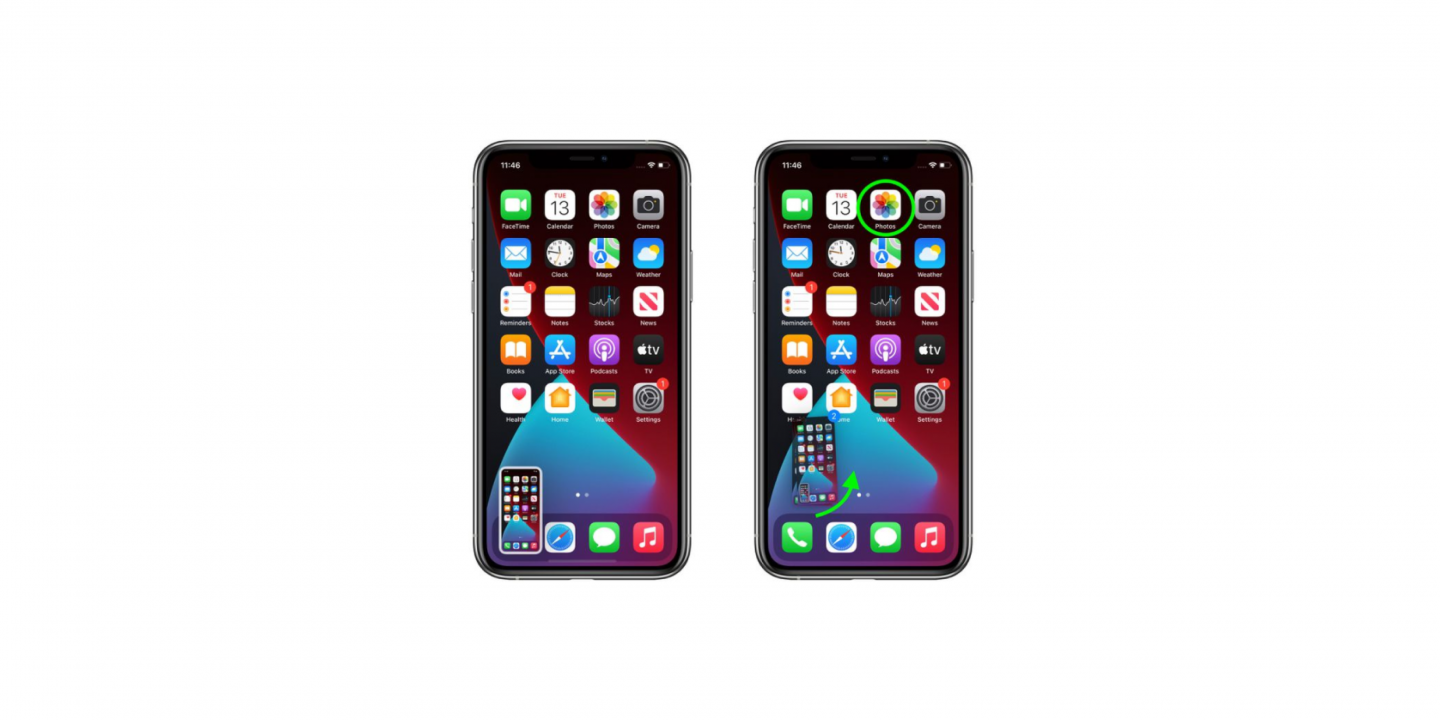


iOS 15 გვთავაზობს გაფართოებულ Drag and Drop ფუნქციონალს, რაც გვეხმარება ფაილების, ფოტოების, ტექსტის, ბმულების და ა.შ. ერთი ადგილიდან მეორეზე გადატანაში.
აპლიკაციებს შორის drag and drop 2017 წლიდან არის ხელმისაწვდომი iPad–ზე, თუმცა iOS 15–ს გამოსვლასთან ერთად ფუნქცია iPhone–საც დაემატა.
Why Canadian Players Are Shifting to App-Based Gaming, Casizoids Explains
Over the past five years, the Canadian online gaming market has undergone a structural shift that few industry analysts predicted with full accuracy. While desktop platforms once dominated the space, mobile and app-based gaming now accounts for the majority of active sessions among Canadian players. This transition is not simply a matter of convenience — it reflects deeper changes in how Canadians access licensed gaming services, how provincial regulators have adapted their frameworks, and how platform operators have responded to evolving player expectations. Understanding why this shift is happening requires looking at the regulatory environment, the technical infrastructure supporting mobile play, and the behavioral patterns that have emerged since the expansion of provincially regulated iGaming markets.
The Regulatory Landscape That Made App-Based Gaming Viable
The single most consequential development for Canadian mobile gaming was Ontario’s decision to open its iGaming market to private operators in April 2022. Under the iGaming Ontario framework, licensed private operators — regulated by the Alcohol and Gaming Commission of Ontario (AGCO) — were permitted to offer real-money gaming products directly to Ontario residents. This ended the de facto monopoly that OLG had held over digital gaming in the province and introduced a competitive marketplace where operators had strong commercial incentives to build polished, functional mobile applications.
Before this regulatory change, many Canadians accessing online gaming platforms were doing so through browser-based interfaces that were not optimized for mobile use. The arrival of licensed private operators brought with it a wave of investment in native iOS and Android applications. These apps offered features that browser sessions could not easily replicate: push notifications for responsible gaming limits, biometric login, integrated payment processing, and session tracking tools mandated by the AGCO’s technical standards. The regulatory requirements themselves, in other words, drove technical improvements that made app-based gaming more attractive to players.
Other provinces have been watching Ontario’s model closely. British Columbia’s BCLC and Loto-Québec continue to operate their own platforms, but the pressure to modernize mobile offerings has increased across all provincial operators since 2022. The competitive benchmark set by Ontario’s private market has effectively raised expectations for what a mobile gaming experience should look like across Canada.
Infrastructure, Payment Integration, and the Role of Platform Design
Technical infrastructure has played an equally important role in the shift toward app-based gaming. Canada’s mobile network coverage has expanded significantly, with 5G availability reaching approximately 84% of the population by 2024 according to data from the Canadian Radio-television and Telecommunications Commission (CRTC). Higher bandwidth and lower latency have made it practical to run graphics-intensive gaming applications on mobile devices without the buffering and session interruptions that plagued earlier mobile experiences.
Payment integration has also matured considerably. Canadian players now routinely use Interac e-Transfer, which is natively supported within many gaming apps and processes transactions in real time. The friction that once existed between depositing funds and beginning play — a friction that was significantly higher on mobile browsers — has been largely eliminated within dedicated applications. Platforms that have invested in this kind of seamless payment architecture have seen measurably higher retention rates among mobile users compared to those still relying on redirect-based payment flows.
Casizoids, a platform that covers developments in the Canadian gaming sector, has documented how operators who prioritized app development in 2022 and 2023 gained a disproportionate share of new player registrations compared to those that maintained browser-first strategies. Those interested in how specific operators have approached mobile infrastructure can find out more through Casizoids’ ongoing coverage of the Ontario iGaming market, which tracks operator performance and technical development across licensed platforms. The pattern that emerges from that data is consistent: app investment correlates strongly with user acquisition and engagement metrics.
Game studios have also adapted their output to suit mobile form factors. Software providers like Evolution Gaming, Pragmatic Play, and NetEnt have redesigned their interfaces to prioritize portrait-mode play, simplified navigation, and touch-based controls. The result is that the catalog of games available through mobile apps is now effectively identical to what was previously exclusive to desktop — live dealer tables, video slots with complex bonus mechanics, and sports betting interfaces have all been rebuilt for smaller screens without meaningful loss of functionality.
Behavioral Shifts Among Canadian Players
Beyond regulation and technology, there is a behavioral dimension to this shift that deserves serious attention. Research into Canadian digital media consumption consistently shows that mobile devices have become the primary screen for leisure activities across age groups. Statistics Canada data from 2023 indicated that Canadians spend an average of 4.2 hours per day on mobile devices, with entertainment and gaming accounting for a growing share of that time. Gaming platforms that are accessible within this existing mobile behavior pattern face significantly lower barriers to engagement than those requiring a deliberate switch to a desktop environment.
The concept of “session flexibility” is particularly relevant here. App-based gaming allows players to engage in shorter, more frequent sessions — a pattern that fits naturally into commutes, lunch breaks, and other fragmented time periods. This is distinct from the longer, more deliberate sessions that desktop gaming typically encouraged. Operators have responded by designing game formats and promotional structures that accommodate shorter engagement windows: quick-spin options, auto-play features with customizable limits, and bonus structures that can be activated and completed within a single brief session.
Casizoids has noted that this behavioral shift has also influenced responsible gaming tool design. The AGCO’s technical standards require licensed operators to provide real-time spending displays, session time reminders, and deposit limit controls — features that are more effectively implemented within a native app than a mobile browser, where background processes and notifications are more restricted. The app environment, counterintuitively, may support more consistent responsible gaming behavior precisely because it gives operators more reliable access to notification and alert systems.
Younger Canadian players — particularly those in the 25 to 40 age bracket who represent the fastest-growing demographic in the licensed iGaming market — have shown a strong preference for platforms that integrate seamlessly with their existing digital ecosystems. This includes compatibility with mobile wallets, integration with loyalty programs accessible via app rather than desktop portal, and social features that allow sharing of achievements within the app environment. Operators that have built toward these expectations have found that app users generate higher lifetime value than comparable desktop users, a finding that has further accelerated investment in mobile-first development.
What This Means for the Future of Canadian iGaming
The shift toward app-based gaming in Canada is not a temporary trend driven by novelty. It reflects durable changes in regulatory structure, technical capability, and player behavior that are unlikely to reverse. Ontario’s iGaming framework has created a competitive market where operators must continuously invest in platform quality to retain players, and mobile applications have become the primary arena for that competition. As other provinces consider their own regulatory approaches, the Ontario model — and the mobile-first ecosystem it has produced — will likely serve as a reference point.
Hardware improvements will continue to support this trajectory. The processing power available in mid-range smartphones in 2024 exceeds what was available in high-end gaming laptops a decade ago, and augmented reality features that were once purely theoretical are beginning to appear in prototype gaming applications. Casizoids has reported on early-stage AR integration in gaming interfaces, suggesting that the next phase of app-based gaming in Canada may involve spatial computing elements that are fundamentally incompatible with browser-based delivery.
Regulatory agencies will also need to adapt. The AGCO has already demonstrated a capacity for iterative standard-setting, updating its technical requirements as the market evolves. Maintaining that adaptability will be essential as the line between gaming applications, entertainment platforms, and social media continues to blur. The Canadian approach — provincially regulated, technically specific, and commercially open in at least one major jurisdiction — provides a framework that could accommodate these developments without requiring fundamental restructuring.
The shift Canadian players are making toward app-based gaming is ultimately a rational response to a set of converging improvements: better regulation, better technology, better design, and better alignment with existing digital habits. For players, the practical benefits are tangible — faster access, more reliable performance, and better integrated responsible gaming tools. For operators, the competitive pressure to deliver on these expectations is now structural rather than optional. The Canadian iGaming market in 2025 is, in meaningful ways, an app market first, and the decisions being made by operators, regulators, and players today will shape its architecture for years to come.
აპლიკაციებთან ერთად, Multi-finger ჟესტები ახლა უკვე სქრინშოთებზეც მუშაობს, ამისათვის:
1. გადაიღეთ სქრინშოთი ჩვეული გზით;
2. ხანგრძლივად დააჭირეთ ეკრანის ქვედა მარცხენა კუთხეში გამოჩენილ ფოტოს სანამ არ გაქრება თეთრი ჩარჩო;
3. სხვა თითით შეეხეთ იმ აპს, რომელშიც გსურთ სქრინშოთის გამოყენება;
4. იპოვეთ ადგილი სადაც გსურთ ახალი სქრინშოთის გამოყენება;
5. მიიტანეთ სქრინშოთი ადგილამდე და მხოლოდ ამის შემდეგ აუშვით თითი.
აღსანიშნავია, რომ Drag and Drop იწვევს დუბლირებას და არა უშუალოდ გადაადგილებას, ასე რომ გადაღებული სქრინშოთი ავტომატურად ინახება თქვენს გალერეაში.
არ ჩამორჩეთ სიახლეებს!
გამოიწერეთ iSpace და გაეცანით სიახლეებს პირველი.