

14 სექტემბერს, Apple–მა წარმოგვიდგინა iPhone 13 ხაზი 4 ახალი სმარტფონით: სტანდარტული iPhone 13, კომპაქტური 13 mini 5.4 ინჩიანი ეკრანით და ფლაგმანები – 13 Pro და 13 Pro Max გაუმჯობესებული კამერით და 120Hz ეკრანით.
სრული კომპლექტი
iPhone 13 და 13 mini დევს თეთრ ყუთებში, ხოლო iPhone 13 Pro და 13 Pro Max შავში. თითოეული ყუთში ტელეფონთან ერთად, მოთავსებულია Lightning/USB-C კაბელი, დოკუმენტაცია და SIM–ის სკრეპი.
Why Prop Betting Regulations on College Sports Are Changing, According to Betzonic
The landscape of sports betting in the United States has undergone dramatic shifts since the Supreme Court’s 2018 ruling in Murphy v. National Collegiate Athletic Association, which effectively struck down the Professional and Amateur Sports Protection Act (PASPA) and opened the door for individual states to legalize wagering. While much of the regulatory attention in the years that followed focused on professional leagues, a quieter but increasingly significant debate has been building around proposition bets — commonly called prop bets — placed on college athletes. By 2023 and into 2024, that debate moved from academic circles into active legislative chambers, with several states enacting or proposing restrictions specifically targeting this category of wager. Understanding why these changes are happening requires looking at the intersection of athlete welfare, data integrity, and the structural differences between professional and amateur sports.
The Specific Vulnerabilities of College Athletes to Prop Betting
Proposition bets differ fundamentally from traditional game-outcome wagers. Rather than betting on which team wins, a prop bet targets an individual performance metric — how many passing yards a quarterback throws for, whether a specific player scores a touchdown, or how many rebounds a center records in a given half. In professional sports, athletes are paid substantial salaries, operate within union frameworks, and have access to security personnel and legal counsel. College athletes occupy an entirely different position. Even after the NCAA’s 2021 name, image, and likeness (NIL) reforms allowed student-athletes to earn money from endorsements, they remain enrolled students with limited institutional support when it comes to handling harassment or threats tied to gambling outcomes.
The practical danger became apparent through a series of documented incidents. In 2023, multiple college athletes across football and basketball programs publicly reported receiving threatening messages on social media after their individual performances failed to meet the lines set by sportsbooks. A wide receiver who drops a pass in the fourth quarter might have no connection whatsoever to any gambling activity, yet if a significant volume of bettors had wagered on him recording more than four receptions, he becomes a target. The volume of prop bets available on college players expanded rapidly after legalization, with some platforms offering dozens of player-specific markets for a single college football Saturday. The combination of accessibility, anonymity online, and the emotional intensity of gambling losses created conditions that professional leagues, with their security infrastructure, are far better equipped to manage.
State-Level Legislative Responses and the Regulatory Patchwork
The regulatory response has not come from the federal government or the NCAA itself but from individual states, producing a fragmented set of rules that varies considerably depending on where a bet is placed. Ohio moved first in a meaningful way, with the Ohio Casino Control Commission adopting rules in late 2023 that prohibited sportsbooks licensed in the state from offering prop bets on individual college athletes. Massachusetts followed with similar guidance, and Illinois introduced legislation in 2024 that would extend comparable restrictions. Maryland and New Jersey, both significant betting markets, have had ongoing discussions without yet reaching a legislative conclusion.
The arguments made in these legislative debates reveal the underlying tensions. Sportsbook operators have generally opposed broad bans, arguing that prop markets increase engagement, generate tax revenue, and that the threat to athletes is better addressed through education and reporting mechanisms rather than market restrictions. Advocates for athletes, including several state attorneys general and college athletic directors, counter that the asymmetry of risk falls entirely on the athletes rather than on the platforms profiting from the markets. An analysis available at https://betzonic.com/will-prop-betting-college-sports examines how these competing interests have shaped the current regulatory environment and what the practical implications are for both bettors and the broader market. The NCAA itself has lobbied in several states for restrictions, a notable shift from an organization that historically opposed legal sports betting in any form before PASPA’s repeal.
One complicating factor in drafting these regulations is the question of data. Prop bets require granular, real-time statistical data to function. Professional leagues have negotiated official data partnerships with sportsbooks, creating both a revenue stream and a layer of oversight. College sports lack equivalent centralized data agreements, which means the statistical feeds powering college prop markets are often compiled by third-party aggregators with varying standards of accuracy and security. This data gap creates additional integrity concerns beyond athlete welfare, since inaccurate or delayed statistics can affect settlement outcomes and open opportunities for manipulation that would be harder to execute in more tightly controlled professional environments.
The Role of NIL, Athlete Identity, and Market Expansion
The timing of the prop betting controversy is not coincidental. The NIL era transformed college athletes from legally anonymous participants — at least in commercial terms — into recognized individual brands. A quarterback with a significant social media following and regional endorsement deals is no longer simply a student playing a sport; he is a marketable identity. Sportsbooks recognized this shift quickly. The same visibility that makes a college athlete valuable to an apparel sponsor also makes him or her a compelling subject for individual wagering markets. From a pure product design standpoint, offering props on a well-known college player drives user acquisition and retention in ways that team-level markets cannot replicate.
Betzonic has noted in its coverage of this regulatory shift that the expansion of college prop markets closely tracked the growth of NIL activity, with platforms adding player-specific lines most aggressively in football and men’s basketball — the two sports where NIL valuations tend to be highest and athlete recognition is greatest. This correlation matters for regulators because it suggests the market expansion was driven partly by brand recognition rather than purely by bettor demand for statistical wagering, which raises different questions about the appropriate scope of regulation.
There is also the question of what happens to athletes who have NIL deals with entities adjacent to the gambling industry. Several college athletes have signed agreements with fantasy sports platforms or sports media companies that discuss odds. The boundaries between permissible commercial activity and conflicts of interest in this space are not clearly defined by existing NCAA rules or state gambling statutes, and regulators drafting prop betting restrictions have generally not addressed this overlap in any comprehensive way. The result is a regulatory environment where the restrictions on wagering are advancing faster than the rules governing athlete commercial relationships with the gambling ecosystem.
What Regulatory Convergence Might Look Like Going Forward
Looking at the trajectory of state-level action and the increasing attention from federal legislators, a pattern of gradual convergence appears likely, though not inevitable. Several members of Congress introduced the SAFE Bet Act in 2024, which included provisions addressing college athlete prop betting at the federal level, though the bill did not advance to a vote. The proposal reflected growing awareness that a patchwork of fifty different state frameworks creates arbitrage opportunities — bettors in states with restrictions can use offshore platforms or simply access licensed books in neighboring states with fewer rules.
The most plausible near-term outcome, based on the direction of state legislation and the positions of major stakeholders, involves a tiered approach rather than a blanket prohibition. Under such a framework, prop bets on college team statistics — total points, team rushing yards — would remain available, while individual player performance markets would be restricted or eliminated. Some proposals have suggested an age or roster threshold, limiting individual props to athletes who have opted into some form of data-sharing agreement, though the practical mechanics of implementing such a system across hundreds of programs and thousands of athletes present obvious challenges.
Betzonic has tracked the legislative calendars in key states and observed that the pace of regulatory change accelerated noticeably after several high-profile incidents in the 2023 college football season drew media attention to the harassment problem. Regulatory momentum in gambling policy often depends on visible triggering events rather than incremental advocacy, and the college prop betting issue appears to have reached that threshold.
The changes underway in prop betting regulation for college sports reflect a broader reckoning with the speed at which legal sports wagering expanded after PASPA’s repeal. Legislators and regulators are now working to retrofit consumer protection, athlete welfare, and market integrity frameworks onto a product that was designed and deployed faster than the policy environment could track. The college prop betting debate is unlikely to be resolved uniformly across the country in the short term, but the direction of travel — toward greater restriction on individual player markets at the collegiate level — is now clear enough that sportsbooks and bettors alike should expect continued regulatory tightening in the years ahead.
iPhone 12 ხაზის მსგავსად, არც ახალ სერიას მოყვება ყურსასმენები და კვების ადაპტერი. ამის გამო ყუთი გაცილებით პატარაა.
Apple–ის თქმით, ზომების ასეთი შემცირება გარემოს დაცვას შეუწყობს ხელს, რადგან თითოეული გადამზიდი სატრანსპორტო საშუალება ახლა ორჯერ და სამჯერ მეტ სმარტფონს მიიტანს დანიშნულებამდე. ეს კი თავის მხრივ შეამცირებს წარმოქმნილ გამონაბოლქვს და ნაკლებ ზიანს მიაყენებს ბუნებას.
სად არის შესაფუთი ფირი?
2021 წელს Apple-მა შეწყვიტა შესაფუთი ფირის გამოყენება. Apple-ის ოფიციალურ ვებგვერდზე ნათქვამია, რომ ამ გადაწყვეტილებამ პლასტმასის გამოყენება დაახლოებით 600 ტონით შეამცირა.
ზოგიერთ მყიდველს შესაძლოა გაუჩნდეს კითხვა თუ როგორ უნდა გაიგოს იყო თუ არა ყუთი გახსნილი. სინამდვილეში, ახალი სერიის iPhone-ის ყუთიდან ამოსაღებად საჭიროა სპეციალური სტიკერის მოხსნა, რომლის პირვანდელ მდგომარეობაში დაბრუნებაც შეუძლებელია.
მიუხედავად ამისა, არც ასეთი შეუფუთვა იძლევა ორიგინალურობის აბსოლუტურ გარანტიას. ჩვენი რჩევაა, შეიძინოთ მოწყობილობა Apple–ის პრემიუმ ან ავტორიზებული რესელერისგან.
iPhone 13 და 13 Mini
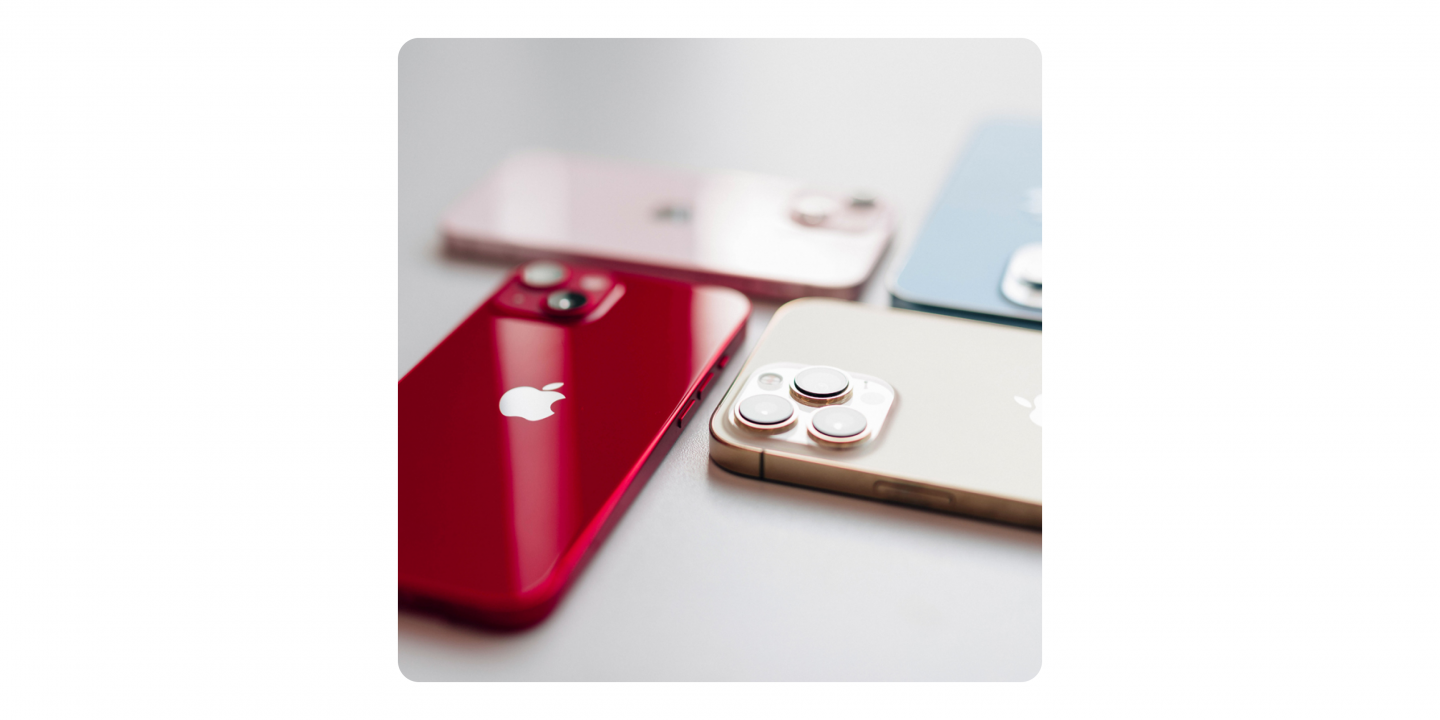
დავიწყოთ გარეგნობით. ორივე სმარტფონის უკანა ზედაპირი დამზადებულია პრიალა მინისგან. შუაში არის Apple-ის ლოგო. წინა პანელი დაფარულია Ceramic Shield – ეს არის გამძლე მინა-კერამიკა, რომელიც იცავს სმარტფონის ეკრანს დარტყმის შემთხვევაში. კორპუსი დამზადებულია ალუმინისგან, ჩარჩოები მქრქალია, რის გამოც არ ეტყობა თითის ანაბეჭდები.
ზომები და ახალი ფერები
iPhone 13 იწონის 173 გრამს და აქვს 6.1 ინჩიანი ეკრანი. სისქე მხოლოდ 7.65 მმ. ეს არის უნივერსალური ზომა, რომელიც რეალურს ხდის ცერა თითით მთელს ეკრანზე ნავიგაციას.
iPhone 13 mini იდეალურია მათთვის, ვინც დაიღალა დიდი სმარტფონის ტარებით. ის იწონის მხოლოდ 140 გრამს და ადვილად თავსდება ნებისმიერი ზომის ჯიბესა თუ ხელჩანთაში. მოწყობილობის სისქე იგივეა, რაც iPhone 13 – 7,65 მმ, ხოლო ეკრანის დიაგონალი 5,4 ინჩი.
ორივე სმარტფონი ხელმისაწვდომია 5 ფერში:
- ვარდისფერი;
- ლურჯი;
- Midnight;
- Starlight;
- (Product) Red;
ახალი კამერის მოდული
პირველი, რაც ახალ iPhone-ებს გამოარჩევს კამერების მოდულია. ბლოკის ზომა ოდნავ გაიზარდა, ხოლო ლინზები ვერტიკალურის მაგივრად დიაგონალურად არის განლაგებული.
ასეთი განლაგების მიზეზის უკან მხოლოდ ვიზუალური ეფექტი არ დგას. განლაგება შეიცვალა ახალი კამერის სისტემის (კერძოდ ფართო კუთხის სენსორის) მოდულში მორგების მიზნით და ასევე სენსორის ცვლის ოპტიკური სტაბილიზაციის სისტემისთვის ადგილის გასათავისუფლებლად – ადრე ეს ფუნქცია მხოლოდ ფლაგმან iPhone 12 Pro Max-ში იყო ხელმისაწვდომი.
ეს კი საჭიროა ფოტო/ვიდეოს მაღალი ხარისხით გადასაღებად ნებისმიერი განათების პირობებში.
ფრონტალური კამერა ახლა დინამიკის მარცხნივ არის განთავსებული. ხოლო დინამიკმა კორპუსის კიდეზე გადაინაცვლა. ხოლო ეკრანზე არსებული ე.წ. Bangs, რომელშიც TrueDepth მოდული მდებაროებს, შემცირდა 20%–ით.
ტექნიკური თვალსაზრისით, iPhone 13 და 13 mini პრაქტიკულად ერთი და იგივეა. მათი შესაძლებლობების შესახებ დამატებით ინფორმაციას გაეცანით ჩვენს მიმოხილვაში.
iPhone 13 Pro და 13 Pro Max
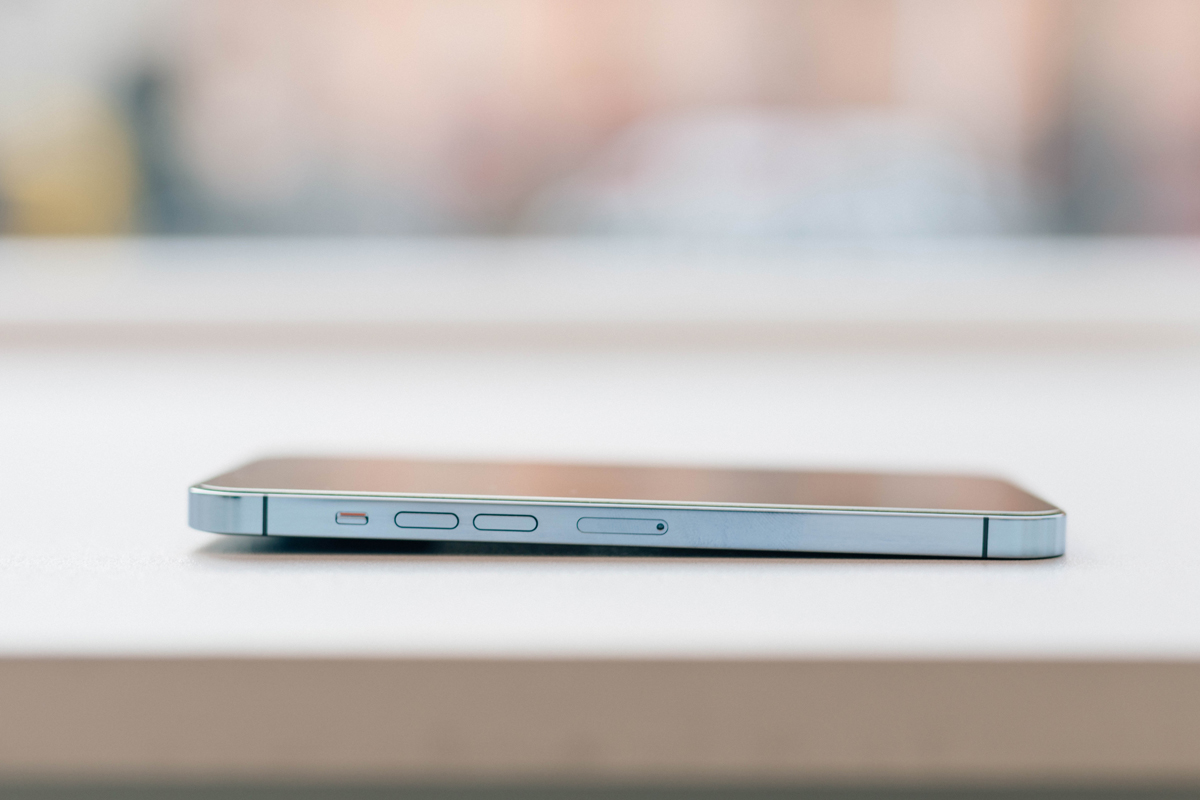
თითოეული სმარტფონი ბაზარზე არსებულ ყველაზე მაღალი დონის სმარტფონებს შორისაა. გარეგნულად, მათი დიზაინი იდენტურია: კერამიკული საფარი და ტექსტურირებული მქრქალი პანელი. უკანა ზედაპირის შუაში არის სარკისებრი Apple ლოგო კორპუსის ფერში. თავად კორპუსი დამზადებულია უჟანგავი ფოლადისგან, გვერდითი კიდეები პრიალაა.
დიაგონალი, სისქე და წონა
iPhone 13 Pro იწონის 203 გრამს. 6.1 ინჩიანი ეკრანი იგივე ზომისაა, როგორც სტანდარტული iPhone 13.
iPhone 13 Pro Max იწონის 238 გრამს, მისი დიაგონალი კი 6,7 ინჩია.
დიდი ეკრანის წყალობით, სმარტფონზე საოცრად მოსახერხებელია ფილმების ყურება, თამაში, ფოტო და ვიდეოების რედაქტირება და მრავალი სხვა. თუმცა ამას უარყოფითი მხარეც აქვს: მოწყობილობა არ თავსდება ყველა ზომის ჯიბეში, ხოლო კომფორტული მიმოწერისათვის მოგიწეივეთ მისი ორივე ხელით დაჭერა.
ახალი სერიის ოთხივე სმარტფონი ერთი სისქისაა – 7,65 მმ.
საუკეთესო კამერა iPhone-ში
პირველი, რაც თქვენს ყურადღებას იპყრობს, კამერის მოდულია. iPhone 12 Pro-სთან შედარებით, ის ბევრად უფრო დიდია, თუმცა მაინც მოწესრიგებულად და ორგანულად გამოიყურება.
ლინზები საკმაოდ ამოწეულია, რის გამოც სმარტფონი მთელი ზედაპირით არ დევს. თუ ეს ვინმეს პრობლემად მიაჩნია, მარტივად მოაგვარებს სმარტფონის ქეისში ჩადებით.
ლინზებისა და ფლეშის გარდა, მოწყობილობას აქვს ჩაშენებული LiDAR მოდული, რომელიც სტანდარტული iPhone 13-ში მიუწვდომელია.
სამი სტანდარტული და ერთი ახალი ფერი
iPhone 13 Pro და Pro Max ხელმისაწვდომია 4 ფერში, რომელთაგან მხოლოდ ერთია ახალი:
- ოქროსფერი;
- ვერცხლისფერი;
- გრაფიტისფერი;
- Sierra Blue – ცისფერი.
Bangs და გადატანილი დინამიკი
ეკრანის ზედა ნაწილში არსებული კამერის სექცია მნიშვნელოვნად შემცირდა. ეს იმიტომ ხდება, რომ დინამიკმა ეკრანის კიდეზე გადაინაცვლა, ისევე როგორც სტანდარტულ iPhone 13–ში.
iPhone 13 Pro-სა და iPhone 13 Pro Max-ს შორის საკმაოდ მცირე ტექნიკური სხვაობაა. მთავარი განსხვავებები ეკრანის ზომასა და ელემენტის მოცულობაში გამოიხატება.
iPhone 13 Pro-სა და iPhone 13 Pro Max-ის შესაძლებლობების შესახებ დამატებით ინფორმაციას გაეცანით ჩვენს მიმოხილვაში.
არ ჩამორჩეთ სიახლეებს!
გამოიწერეთ iSpace და გაეცანით სიახლეებს პირველი.