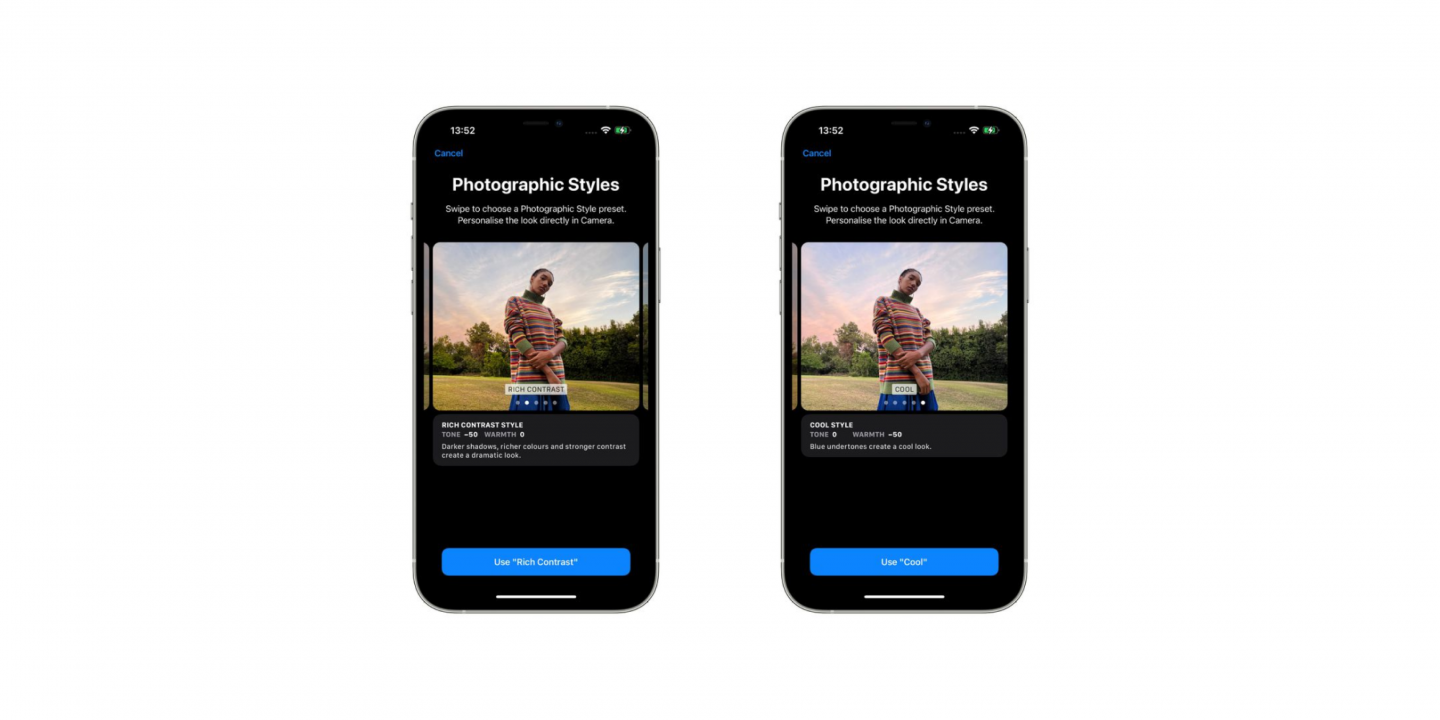


Photographic Styles დაფუძნებულია ფილტრის მსგავს კორექტორების სერიაზე, რომელთა გააქტიურებაც შესაძლებელია უშუალოდ ფოტოს გადაღებამდე. ეს საშუალებას მოგცემთ, წინასწარ შემოიტანოთ სტილისტური ეფექტი.
უნდა აღინიშნოს, რომ Photographic Styles არ ახდენს გავლენას კანის ფერსა და ცის ტონალობაზე. ფუნქციას აქვს 4 განსხვავებული ფორმატი: Vibrant, Rich Contrast, Warm და Cool.
Why Apple Pay Is Reshaping Mobile Payments in Canadian Online Betting, According to Betlama
Mobile payments have undergone a significant transformation in Canada over the past decade, and nowhere is that shift more visible than in the online betting sector. Apple Pay, initially launched in Canada in 2015, took several years to gain meaningful traction among consumers accustomed to traditional banking methods. By 2022 and into 2023, however, adoption rates had accelerated sharply, driven by a combination of smartphone penetration, shifting consumer expectations around transaction security, and the broader normalization of contactless payments following the COVID-19 pandemic. For Canadian bettors specifically, this evolution has introduced a payment method that addresses longstanding friction points — slow processing times, declined transactions from conservative banking institutions, and concerns about sharing financial data with third-party gambling platforms.
How Apple Pay Functions Within the Canadian Regulatory Landscape
Canada’s approach to online gambling regulation is fragmented by design. Each province holds jurisdiction over gambling within its borders, which means the legal and technical environment for online betting varies considerably depending on where a player is located. Ontario’s iGaming market, which opened to private operators in April 2022 under the Alcohol and Gaming Commission of Ontario (AGCO), represents the most significant development in this space. The AGCO framework requires licensed operators to meet specific standards around responsible gambling tools, data protection, and financial transaction transparency — all areas where Apple Pay’s architecture offers a degree of structural alignment.
Apple Pay operates through a tokenization system rather than transmitting actual card numbers during a transaction. When a Canadian bettor adds a Visa or Mastercard to their Apple Wallet, the card number is replaced with a device-specific account number, and each transaction is authorized with a one-time dynamic security code. This means the betting platform never receives the user’s underlying card details, which reduces the risk profile of the transaction considerably. From a regulatory standpoint, this approach is compatible with the data minimization principles embedded in Canada’s Personal Information Protection and Electronic Documents Act (PIPEDA), as well as the updated Consumer Privacy Protection Act (CPPA) framework that has been moving through Parliament.
For operators licensed under provincial frameworks, the ability to offer Apple Pay also signals a level of technical infrastructure maturity. Platforms that have integrated Apple Pay typically support HTTPS encryption across all payment endpoints, maintain PCI DSS compliance, and have undergone third-party security audits — requirements that align with what regulators expect from credible operators in the Canadian market.
The Practical Mechanics of Apple Pay Deposits and Withdrawals in Betting
Understanding why Apple Pay has resonated with Canadian bettors requires looking at the actual mechanics of how deposits and, increasingly, withdrawals are handled. Deposits via Apple Pay are processed almost instantaneously, which is a meaningful improvement over the 1-3 business day delays associated with standard bank transfers or the verification periods tied to e-cheques. For sports bettors in particular, where odds can shift rapidly and the timing of a wager matters, the ability to fund an account within seconds has real practical value.
Withdrawal processing is a more nuanced picture. Apple Pay withdrawals from betting platforms are technically supported through the same payment rails — Visa Direct and Mastercard Send — that enable push payments back to a cardholder’s device. In practice, the speed of these withdrawals depends on the operator’s internal processing schedule and the issuing bank’s handling of incoming push payments. Some Canadian banks process Visa Direct credits within 30 minutes; others batch them overnight. This variability means that while Apple Pay withdrawals are generally faster than traditional bank wire options, the experience is not yet uniformly instantaneous across all Canadian financial institutions.
Detailed breakdowns of how specific platforms handle these mechanics can be found through resources that track operator-level payment policies. For instance, http://www.betlama.com/apple-pay-betting-sites/ documents how individual Canadian-facing betting sites implement Apple Pay, including deposit limits, withdrawal timelines, and any fees associated with the payment method — information that is often buried in platform terms and conditions rather than surfaced prominently for users.
One constraint worth understanding is the transaction limit structure. Apple Pay deposits at Canadian betting sites are typically capped based on the underlying card’s daily spending limit, which is set by the issuing bank rather than by Apple or the operator. A bettor whose bank imposes a $500 daily contactless limit will encounter that same ceiling when depositing via Apple Pay, regardless of what the betting platform’s own maximum deposit policy states. High-volume bettors have found this to be a limitation that pushes them toward alternative methods for larger transactions, while casual bettors generally find the limits more than sufficient for their needs.
Why Traditional Banking Has Struggled to Serve Online Bettors — and What Apple Pay Changes
A persistent challenge in the Canadian online betting market has been the inconsistency with which major banks process gambling-related transactions. Several of Canada’s Big Six banks — including TD, RBC, and Scotiabank — have at various points declined credit card transactions directed at offshore or unlicensed gambling platforms, citing internal risk policies. Even for licensed operators, some banks apply merchant category codes (MCC 7995, designated for betting and lottery transactions) in ways that trigger automatic declines or result in transactions being flagged for review.
Apple Pay introduces an interesting dynamic here. Because the payment is processed through the cardholder’s existing Visa or Mastercard, the MCC classification still applies — Apple Pay does not bypass the merchant category coding system. However, the tokenized nature of the transaction, combined with the biometric authentication layer (Face ID or Touch ID) required to authorize each payment, means that the transaction carries a stronger authentication signal. Some payment processors and issuing banks treat biometrically authenticated transactions as lower fraud risk, which can improve approval rates compared to manually entered card numbers, where fraud rates are statistically higher.
Betlama’s analysis of the Canadian market has highlighted that approval rates for Apple Pay deposits at licensed Ontario operators tend to outperform manual card entry, particularly for users whose banks have historically been inconsistent in approving gambling transactions. This is not a guaranteed outcome — bank policies vary and evolve — but the pattern is consistent enough to represent a meaningful practical advantage for bettors who have experienced declined deposits using conventional card entry methods.
There is also a psychological dimension to this shift. Bettors who are privacy-conscious about their gambling activity have long sought payment methods that do not leave a prominent record on bank statements. Apple Pay transactions appear on statements with generic descriptions tied to the wallet infrastructure rather than the specific betting platform’s name in some cases, though this varies by bank and is not a feature Apple explicitly markets. For users who value discretion around their betting activity — particularly in households where financial statements are shared — this has been noted as a secondary benefit, even if it is not the primary driver of adoption.
The Broader Shift Toward Biometric and Wallet-Based Payments in iGaming
Apple Pay’s rise in Canadian online betting is part of a larger structural shift in how iGaming platforms think about payment infrastructure. Google Pay, which operates on similar tokenization principles, has seen parallel growth among Android users in the Canadian market. Samsung Pay, while smaller in market share, follows the same architecture. Together, these wallet-based payment methods are pushing operators to reconsider the payment experience as a core product feature rather than an afterthought.
Historically, online betting platforms invested heavily in game content, odds competitiveness, and promotional structures, while payment systems were treated as utility infrastructure — functional but not differentiated. The emergence of frictionless wallet payments has changed that calculus. Operators that integrated Apple Pay early, particularly those entering the Ontario regulated market in 2022 and 2023, found that payment method availability influenced user acquisition and retention metrics in ways that were previously attributed primarily to bonus structures and game selection.
From a technical integration standpoint, adding Apple Pay to a betting platform requires obtaining Apple Pay merchant certification, integrating with a payment service provider that supports Apple Pay on the acquiring side, and ensuring the platform’s checkout flow meets Apple’s Human Interface Guidelines for payment sheet presentation. This is not a trivial undertaking, and smaller or newer operators have sometimes faced delays in completing the certification process. The investment, however, appears justified by the data: platforms with Apple Pay consistently report higher mobile conversion rates on deposit flows compared to those relying solely on traditional card entry.
Betlama has tracked this trend across the Canadian market and noted that as of 2024, a growing proportion of licensed Ontario operators have completed Apple Pay integration, with several provincial lottery-adjacent platforms also exploring wallet payment compatibility as they modernize their digital infrastructure.
The trajectory of Apple Pay in Canadian online betting reflects a broader alignment between consumer payment preferences, regulatory expectations around security and data protection, and operator incentives to reduce friction in the deposit process. As the Ontario iGaming market continues to mature and other provinces evaluate their own regulated online betting frameworks, the payment infrastructure that operators build now will shape the user experience for years to come. Apple Pay’s combination of biometric security, tokenized transaction data, and near-instant processing has positioned it as a payment method that meets the practical needs of Canadian bettors in ways that older methods simply do not, and that structural advantage is unlikely to diminish as mobile device penetration continues to deepen across the country.
Vibrant აღბეჭდავს კადრს მკვეთრ, ნათელ, თუმცა ბუნებრივ ფერებში, ხოლო Rich კონტრასტი უფრო დრამატულ იერს მატებს, რაც ჩრდილებს უფრო მუქს ხდის და ზრდის ფერსა და კონტრასტს. Warm ქმნის ზაფხულის ოქროსფერ ტონს, ხოლო Cool ფორმატი იყენებს ლურჯ ტონებს, ცივი ეფექტის მისაღებად.
Photographic Styles უფრო დახვეწილად მუშაობს ვიდრე სტანდარტული ფილტრები. ფილტრი ცვლის ფოტოს დეტალებს გადაღების შემდგომი დამუშავებისას, ხოლო Photographic Styles აფიქსირებს უამრავ ელემენტსა და დეტალს უშუალოდ გადაღების დროს და არ ცვლის მათ, რაც ფოტოს უნარჩუნებს მაღალ ხარისხს და დეტალიზაციას.
Photographic Styles–ის iPhone 13-ის თითოეულ მოდელზე გამოსაყენებლად:
- გახსენით Camera თქვენს iPhone 13-ზე;
- დაასვაიფეთ ჰორიზონტალური მენიუ და აირჩიეთ Photo mode.
- შემდეგ, ამოასვაიფეთ ქვემოდან და შეეხეთ Photographic Styles სიმბოლოს (სამი ბარათის მაგვარი სიმბოლო ერთმანეთის მიჯრით);
- აირჩიეთ 4 ფორმატიდან ერთ–ერთი და შეამოწმეთ მათი ეფექტი უშუალოდ ფოტოს გადაღებამდე;
- გამოიყენეთ დამატებითი სლაიდერები ტონალობის და კონტრასტის შესაცვლელად;
არ ჩამორჩეთ სიახლეებს!
გამოიწერეთ iSpace და გაეცანით სიახლეებს პირველი.